
Your skin used to bounce back overnight. A breakout healed in days. Fine lines were barely noticeable. Then gradually, you started seeing enlarged pores, acne scars that won’t fade, uneven texture, pigmentation, and early wrinkles that no serum seems to fix.
You’ve tried peels. You’ve tried expensive creams. Maybe even lasers feel intimidating.
Microneedling is different.
In this comprehensive guide, I’m going to walk you through everything you need to know about microneedling facial treatments, how it works biologically, what results to expect, who it’s best for, risks, recovery, collagen remodeling timelines, and how to choose the right provider. If you’re considering professional microneedling in Dallas, this will give you clarity before you book.
What Is a Microneedling Facial?
Microneedling, also known as collagen induction therapy, is a minimally invasive cosmetic dermatology procedure that uses fine, sterile needles to create controlled micro-injuries in the skin. These micro-channels stimulate:
- Collagen production
- Elastin regeneration
- Cellular turnover
- Skin remodeling
Unlike aggressive resurfacing procedures, microneedling harnesses your skin’s natural healing mechanisms rather than damaging the outer layer extensively. In clinical dermatology, microneedling is used to treat:
- Acne scars
- Fine lines and wrinkles
- Enlarged pores
- Stretch marks
- Hyperpigmentation
- Uneven texture
- Mild skin laxity
At Salon D, microneedling treatments are customized based on skin type, Fitzpatrick scale classification, and individual concerns, which is critical for optimal outcomes and minimal risk.
How Microneedling Works: The Science Behind Collagen Induction Therapy
Microneedling is grounded in a well-documented biological principle known as collagen induction therapy (CIT). When a medical-grade microneedling device creates controlled micro-injuries within the dermis, it does not damage the skin randomly. Instead, it initiates a highly organized wound-healing cascade that repairs, rebuilds, and strengthens tissue.
As a dermatologist, I often explain to patients that microneedling works because your body is intelligent. The treatment simply triggers a regenerative response that already exists within you. The healing process unfolds in three scientifically recognized phases:
1. Inflammation Phase (Immediate to 48 Hours)
This is the body’s rapid-response stage.
- Platelets aggregate at the micro-injury sites.
- Growth factors such as PDGF (platelet-derived growth factor) and TGF-β (transforming growth factor beta) are released.
- Blood flow increases to deliver oxygen and nutrients.
- Fibroblasts, the cells responsible for collagen production, become activated.
Clinically, this phase presents as redness and mild swelling, which is completely expected. It signals that the regenerative process has begun.
2. Proliferation Phase (Days to Weeks)
During this stage, structural rebuilding begins.
- New collagen fibers form initially, Type III collagen, which acts as a scaffolding structure.
- Angiogenesis occurs, meaning new capillaries develop to improve circulation.
- Keratinocytes regenerate, strengthening the epidermal barrier.
Patients often notice improved skin glow and smoother texture during this phase as cellular turnover accelerates.
3. Remodeling Phase (Weeks to Months)
This is where long-term transformation happens.
- Type III collagen gradually converts into stronger Type I collagen.
- Collagen fibers reorganize and align more efficiently.
- The dermal matrix thickens and becomes more structured.
As a result, the skin becomes:
- Firmer
- More elastic
- Smoother in texture
- Visibly refined in appearance
This remodeling phase continues for 4 to 12 weeks post-treatment, which is why microneedling results are progressive rather than immediate. Collagen maturation takes time, but the improvements are biologically meaningful and long-lasting.
5 Powerful Microneedling Benefits
Microneedling is widely recognized for producing progressive, visible improvements in overall skin quality. By stimulating natural collagen production and accelerating cellular renewal, it enhances texture, tone, and firmness over time. Key benefits include:
- Reduces Signs of Aging – Stimulates collagen and elastin to firm the skin, soften fine lines and wrinkles, and improve overall elasticity.
- Brightens & Evens Skin Tone – Speeds up skin cell turnover to reduce dark spots, hyperpigmentation, and sun damage for a more radiant complexion.
- Improves Acne & Acne Scars – Supports skin repair, helping calm breakouts and gradually smooth textural acne scars.
- Refines Pores & Smooths Texture – Strengthens the surrounding dermal structure, minimizing enlarged pores and creating a smoother, more even surface.
- Boosts Hydration & Product Absorption – Forms temporary micro-channels that allow hydrating serums and active ingredients to penetrate more effectively, enhancing overall treatment results.
What to Expect During a Microneedling Facial Session?
Starting any new skin treatment can feel overwhelming if you don’t fully understand the process. As a dermatologist, I always believe informed patients feel more confident and achieve better outcomes. Here’s what a professional microneedling session typically involves,from preparation to recovery.
1. Preparation
Your appointment begins with a thorough skin cleanse to remove oil, makeup, and impurities. A topical numbing cream is then applied to ensure comfort throughout the procedure. Most patients find this step makes the treatment very tolerable.
While the numbing takes effect (usually 20–30 minutes), your provider will review your skin concerns and goals, whether you’re targeting acne scars, fine lines, pigmentation, enlarged pores, or overall facial rejuvenation. The treatment depth and technique are adjusted accordingly.
2.The Treatment Process
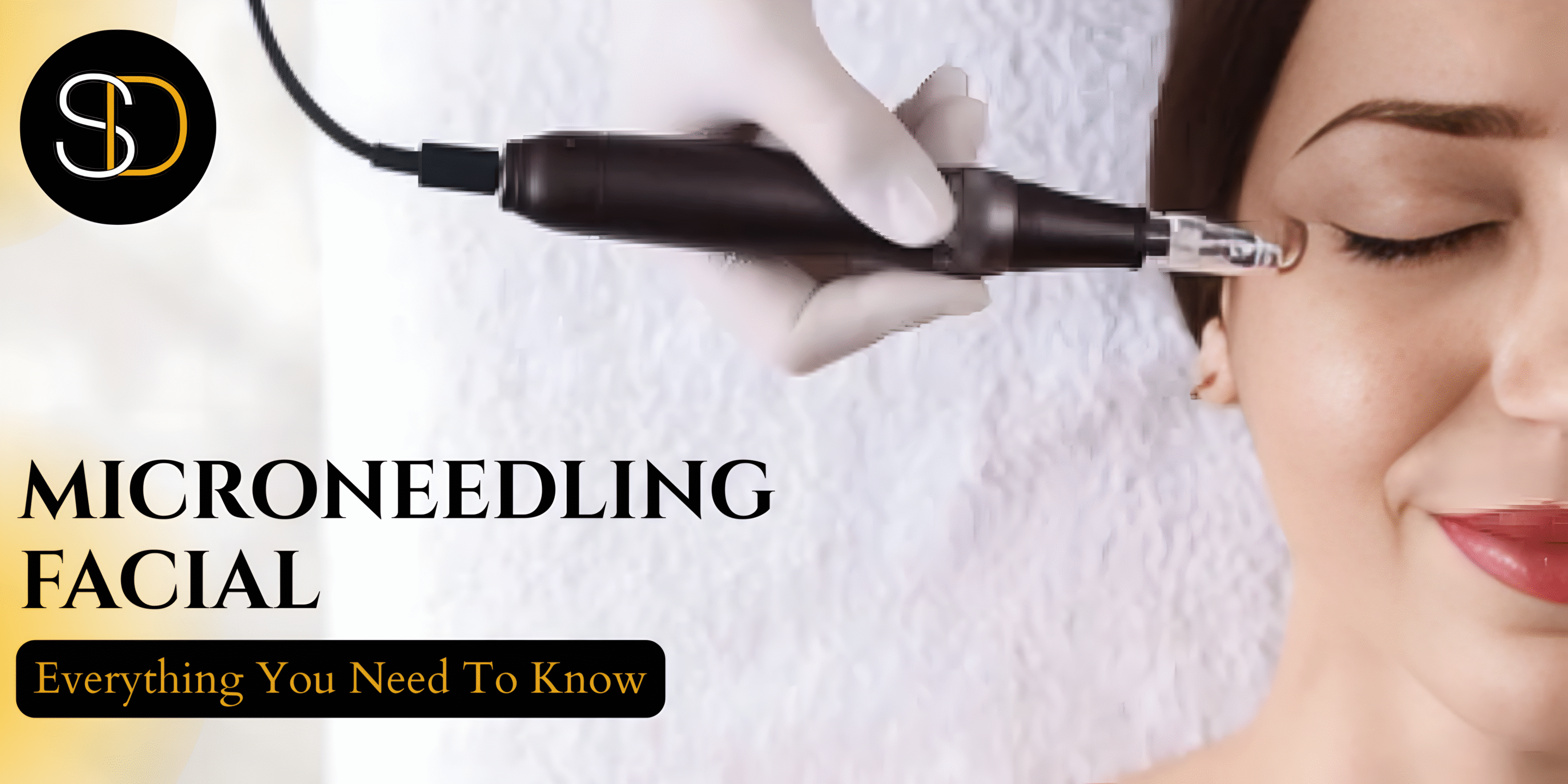
Once the skin is properly numbed, a medical-grade, pen-like microneedling device is gently passed over the treatment area. The device contains sterile, fine needles that create thousands of controlled micro-channels in the skin.
You may feel:
- A mild vibrating sensation
- Light pressure
- Slight scratching in deeper areas
However, the procedure is generally well tolerated and not considered painful.
During the session, specialized serums such as hyaluronic acid or growth factor solutions are often applied. The temporary micro-channels significantly enhance the absorption and effectiveness of these active ingredients.
3.Duration
The actual needling portion typically takes about 20 to 30 minutes, depending on the size of the area being treated. A full appointment, including numbing and post-care instructions, usually lasts 60 to 90 minutes.
While it’s sometimes referred to as a “lunchtime procedure,” keep in mind that visible redness afterward may make you prefer heading home rather than back to work immediately.
4. Aftercare and Recovery
Proper aftercare is essential for optimal collagen stimulation and to prevent irritation.
Immediately after treatment, your skin will likely appear:
- Pink to red (similar to a mild to moderate sunburn)
- Slightly swollen
- Warm and tight
These effects are normal and typically subside within 24 to 72 hours.
For best results, follow these guidelines:
Keep It Clean – Avoid makeup for at least 24 hours to reduce the risk of irritation or infection.
Hydrate and Repair – Use gentle, hydrating products recommended by your provider. Ingredients like hyaluronic acid and ceramides support barrier recovery.
Protect from the Sun – Your skin will be more sensitive to UV exposure. Avoid direct sunlight and apply a broad-spectrum sunscreen once your provider advises it is safe.
Pause Active Ingredients – Refrain from using retinol, exfoliating acids, or strong actives for several days to allow proper healing.
Unlike deeper chemical peels that involve noticeable sheet peeling, microneedling recovery is typically subtle. Some mild dryness or light flaking may occur within a few days, but it is generally minimal and manageable.
With proper care, the healing process transitions seamlessly into collagen remodeling, where the true, long-term benefits begin to develop.
How Long Does Microneedling Take to Show Results?
Microneedling does not deliver instant, dramatic changes overnight, and that’s actually a good thing. Because it works by stimulating your body’s natural collagen production, results develop progressively and improve over time.
Here’s a realistic timeline based on clinical experience:
Immediately After Treatment (Day 1–3)
- Skin appears red or slightly swollen
- A subtle “tight” feeling is common
- Some patients notice an early glow once redness subsides
This initial glow is due to increased circulation and mild swelling — not collagen yet.
5–7 Days Post-Treatment
- Skin looks smoother
- Texture feels more refined
- Overall brightness improves
At this stage, superficial improvements become noticeable as cellular turnover increases.
3–4 Weeks
This is when true collagen stimulation begins to show.
- Fine lines may appear softer
- Mild acne scars begin to look less defined
- Skin feels firmer
New collagen (Type III) is actively forming beneath the surface.
6–12 Weeks
This is the optimal window for visible structural improvement.
- Deeper wrinkles soften
- Acne scars become noticeably shallower
- Skin thickness and elasticity improve
During this phase, collagen remodels into stronger Type I collagen, creating longer-lasting results.
Who Is an Ideal Candidate for Microneedling?
You are a good candidate if you have:
- Acne scarring
- Early signs of aging
- Enlarged pores
- Uneven skin texture
- Mild pigmentation
You may not be ideal if you have:
- Active cystic acne
- Eczema flare-ups
- Psoriasis in the treatment area
- Blood clotting disorders
- History of hypertrophic scarring
At Salon D, treatments are customized after an in-depth evaluation to ensure safety and optimal ROI on your skin investment.
Risks & Side Effects of Microneedling Facial
Microneedling is considered a safe, minimally invasive procedure when performed by a trained professional using medical-grade equipment and sterile technique. However, improper technique, incorrect needle depth, or poor hygiene can increase the risk of complications.
Potential Risks (When Done Incorrectly)
- Infection due to a compromised skin barrier
- Post-inflammatory hyperpigmentation (especially in darker skin tones)
- Scarring or delayed healing
- Visible track marks from improper device handling
These risks are uncommon in experienced hands, which is why provider expertise and clinical assessment are essential.
Common, Temporary Side Effects
Most patients experience mild and short-lived reactions, including:
- Redness lasting 24–48 hours
- Mild swelling
- Tightness or dryness
- Light flaking after a few days
These effects are part of the normal healing response and typically resolve quickly.
Professional technique, proper skin selection, and individualized treatment planning significantly reduce complications and improve outcomes.
Post-Treatment Aftercare of Microneedling
Appropriate aftercare plays a major role in maximizing collagen stimulation and preventing irritation.
For best results:
- Avoid makeup for at least 24 hours
- Discontinue retinoids and exfoliating acids for about 5 days
- Minimize direct sun exposure
- Use a gentle, non-active cleanser
- Apply a broad-spectrum SPF once cleared by your provider
Hydration and skin barrier repair are critical during the recovery phase. Using calming, hydrating products supports healing and enhances long-term results.
How Many Sessions Do You Need?
While some improvement is visible after one treatment, most concerns require a series:
- Mild texture or early aging: 2–3 sessions
- Acne scars: 3–6 sessions
- Deep scarring or advanced aging: 6+ sessions
Treatments are typically spaced 4–6 weeks apart to allow proper collagen remodeling.
How Much Does Microneedling Cost in Dallas, TX?
If you’re considering microneedling in Dallas, pricing can vary depending on several factors, including provider expertise, technology used, treatment depth, and whether advanced add-ons like PRP or radiofrequency are included.
Average Microneedling Cost in Dallas
In the Dallas market, you can typically expect:
- Standard microneedling (face only): $250 – $600 per session
- Face and neck treatment: $400 – $850 per session
- Microneedling with PRP (Vampire Facial): $700 – $1,200 per session
- RF microneedling: $900 – $1,500+ per session
Prices may also vary based on:
- Size of treatment area
- Severity of acne scarring or aging concerns
- Provider credentials
- Quality of equipment and sterility standards
- Whether you purchase a treatment package
Most patients require 3–6 sessions spaced 4–6 weeks apart for optimal results, especially for acne scars and deeper wrinkles. Many clinics offer package pricing, which reduces the per-session cost.
Best Salon for Microneedling Facial in Dallas
When it comes to microneedling in Dallas, TX, Salon D is the top choice for anyone seeking professional microneedling facials with real, long-term results. At Salon D, every treatment is fully customized for Dallas clients, starting with a thorough skin consultation and assessment to determine the ideal needle depth, treatment plan, and serums tailored to your unique skin concerns.
Our team of experienced clinicians uses medical-grade microneedling devices and advanced collagen-stimulating serums to safely improve skin texture, refine pores, reduce acne scars, soften fine lines, and even out pigmentation.
If you want the best microneedling facial in Dallas, you can book your appointment or consultation at Salon D today and receive a personalized plan designed to achieve your skin goals.
Final Thoughts: Is Microneedling Worth It?
If you’re looking for smoother skin texture, reduced acne scars, firmer skin, and natural collagen stimulation with minimal downtime, microneedling is definitely worth considering. It’s important to understand that this is not a one-session miracle — microneedling is a strategic, collagen-building treatment that delivers the best results with consistent sessions over time. For those in Dallas, TX, investing in professional microneedling means choosing experienced providers who truly understand skin biology and can create a safe, effective treatment plan tailored to your unique skin goals, rather than simply offering a cosmetic quick fix.

